
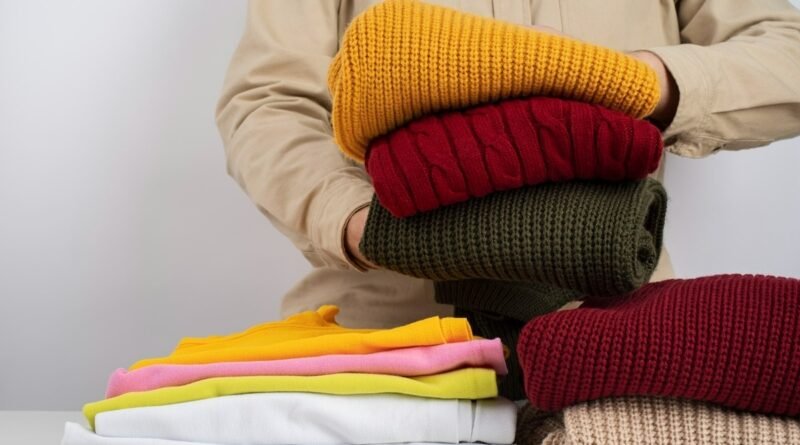
With these 10 tricks, your winter clothes will never go out of style! Number 2 is the most important.
Mistakes to Avoid When StoringWinter ClothesAvoid These Mistakes
Proper care of winter clothes is very important; errors in this area can lead to damage to the fabric, color fading, reduced lifespan, and even unpleasant odors. In this section from SelmaDerma, we’ll discuss common mistakes in storing winter clothes so you can take the best care of your garments.
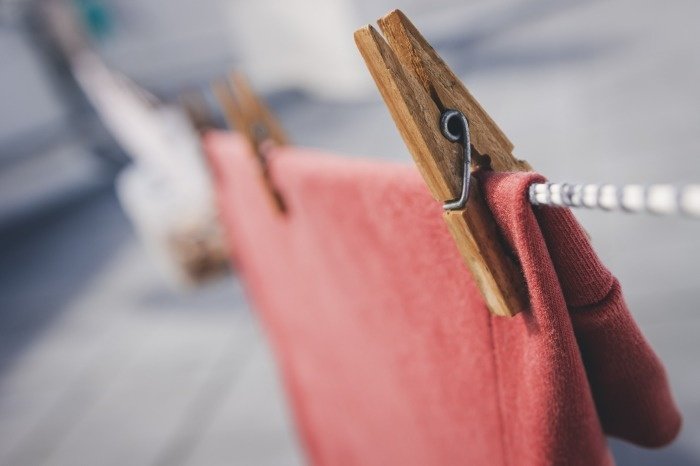
Drying in Direct Sunlight
Placing clothes under direct sunlight causes the fabric to fade and the fibers to stiffen. Even sturdy fabrics like wool or cashmere can be damaged by prolonged exposure to sunlight, losing their initial softness and gentleness.
Using Inappropriate Detergents
Washing with harsh detergents or ones unsuitable for the type of fabric can cause the cloth to stiffen, lose its softness, and even change color. Always use a detergent specifically designed for delicate and wool fabrics for your winter clothes.
Overcrowding Clothes in a Storage Container
Packing clothes tightly in a small box or squeezing them together can stretch the fabric and cause it to lose its original shape. This leads to deep wrinkles that are difficult to remove and spoil the appearance of the garments.
Washing at Improper Temperatures
Using water that is too hot or too cold can damage the fibers of the clothes. Winter woolens, knitted items, or winter coats may shrink or lose their shape if washed at unsuitable temperatures. Additionally, colors can fade more quickly at higher temperatures.

Storing Unwashed Clothes
Putting dirty or stained clothes in a closet can lead to moisture absorption, mold growth, and unpleasant odors. Even small stains can get larger over time, damaging the fabric.
Poor Ventilation in the Closet
Packing clothes tightly in a closed space without airflow in the closet keeps moisture trapped in the fabric, increasing the risk of decay and mold growth. It’s best to store clothes in a dry and well-ventilated space.
Long-Term Storage Without Covers
Keeping clothes uncovered exposes them to dust, insects, and pollutants. Proper covers will help protect against stains and potential damage.
Incorrect Hanging
Hanging heavy items like coats or wool jackets on narrow hangers can stretch the sleeves and change the shape of the garment. It’s better to use wide hangers or lay them flat on a surface.

Using High Ironing Temperatures or Direct Steam
Storing Near Chemicals or Fragrances
Placing clothes near strong detergents, perfumes, or chemicals can cause color changes, stains, or damage to the fibers; always keep your winter garments away from such materials.